The Art of Protection: Why Packing Standards Matter

When it comes to fine furniture and art, protection is an art form of its own. These are not everyday pieces—they’re often one-of-a-kind, handcrafted, or irreplaceable. Whether you’re a designer preparing a client’s home installation, an art collector managing an exhibition, or a homeowner relocating high-value décor, the way items are packed and protected determines how well they arrive in pristine condition.

At Design Logistics Group, our work revolves around more than just moving or storing objects—it’s about preserving craftsmanship and beauty. The techniques and standards applied to fine furniture and art logistics are rooted in years of expertise and precision. Let’s break down what goes into those standards and why they’re so essential for professionals and collectors alike.
Understanding the Unique Vulnerabilities of Fine Furniture and Art
Every piece of fine furniture or artwork presents its own set of challenges. Antique wood tables, for instance, can warp under humidity shifts. Gilded frames can flake or tarnish from direct contact with certain packing materials. Sculptures, with irregular shapes and delicate appendages, require custom crating and stabilization to prevent pressure points.
Fine art and furniture are typically sensitive to:
Vibration and shock: Movement during transport can cause micro-fractures or finish damage.
Temperature and humidity: Climate fluctuations can cause cracking, swelling, or fading.
Handling pressure: Even minor impacts during packing can alter structure or surface texture.
Recognizing these vulnerabilities is the first step toward developing a proper packing and protection strategy. The best logistics providers treat every piece as a museum artifact—worthy of specialized attention from start to finish.
Professional Packing Materials: Beyond Cardboard and Bubble Wrap
While everyday movers may rely on standard boxes and tape, professionals in the fine art and furniture world use industry-specific materials designed for conservation-level protection.
Some of the most trusted materials include:
Acid-free tissue and glassine: To protect delicate surfaces, gold leaf, and fine finishes.
Tyvek and polyethylene foam wraps: Non-abrasive materials that guard against moisture and scratches.
Museum-grade crates: Built with reinforced plywood, vapor barriers, and interior cushioning customized for each piece’s dimensions and fragility.
Corner and edge protectors: Especially critical for artwork frames, mirrors, and marble surfaces.
Shock and tilt sensors: To monitor handling throughout the journey.
Each packing layer serves a purpose, working together to minimize every conceivable risk during transport or storage.
For designers and collectors seeking reliable handling in Colorado, our Denver designer furniture receiving and secure storage services provide peace of mind that every step—from unpacking to final placement—is handled with museum-level care.
Custom Crating: The Gold Standard for Fine Art and Furniture
When it comes to valuable, fragile, or irregularly shaped items, custom crating is the industry’s benchmark for safety. These crates are built specifically for each piece, ensuring a perfect fit and maximum stabilization. Inside, soft foam linings, adjustable braces, and vapor-sealed interiors protect from vibration, humidity, and temperature swings.
Crates are particularly vital for:
Antique or high-value wooden furniture
Sculptures and mixed-media installations
Oversized paintings and framed art
Glass or mirrored pieces
Design Logistics Group’s approach integrates both engineering precision and aesthetic respect—we design crates that not only protect but also reflect the care that fine art deserves.
Climate-Controlled Storage: Where Protection Continues Beyond Packing
Proper packing is just one part of the equation. Storage conditions are equally critical. Fine furniture and art thrive in environments where temperature and humidity are consistent, and where airflow, light exposure, and handling are carefully managed.
That’s why many clients choose climate-controlled storage between project stages—whether it’s for a remodel, staging, or long-term safekeeping.
Our facilities in Denver are designed to accommodate fine art and furniture with controlled environments that prevent deterioration. For temporary needs, such as designer installations or editorial photography, we also offer short-term storage for Denver staging and photo shoots—a flexible solution that keeps your pieces safe and accessible when you need them most.
The Role of Expert Handlers and Furniture Receivers
Even the most carefully packed crate or wrapped piece still depends on the skill of the people handling it. Expertise in logistics means understanding not only how to lift and move, but how to anticipate risks before they happen.
Professional furniture receivers act as the bridge between designers, clients, and logistics providers. Their role includes:
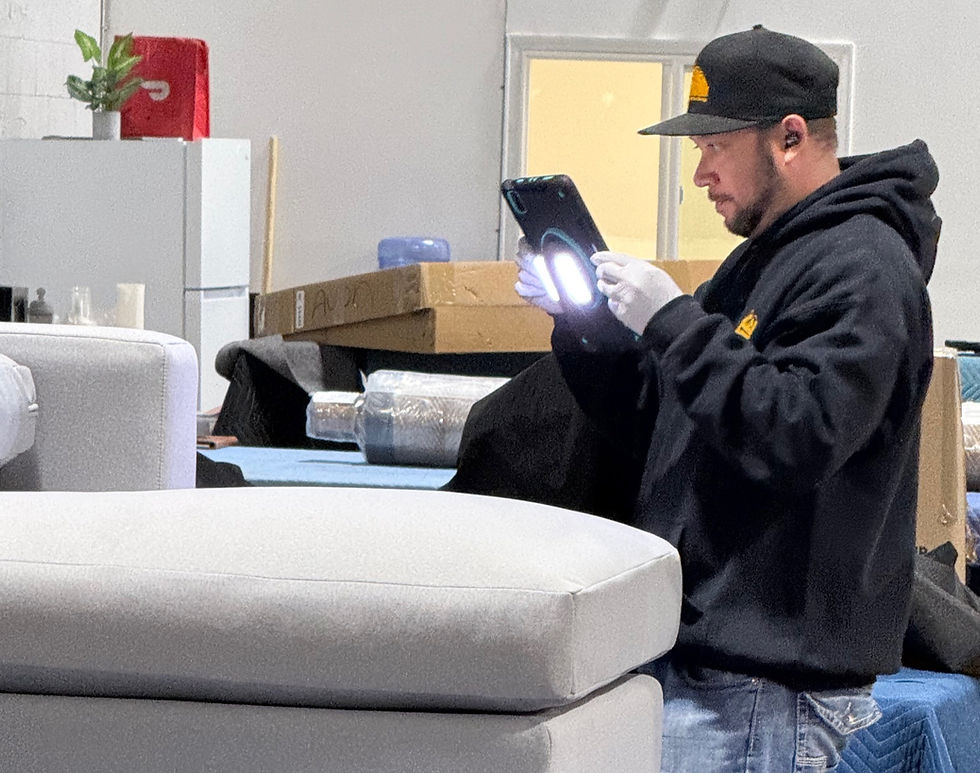
Inspecting items upon arrival for damage or irregularities
Supervising unpacking and installation
Coordinating repairs or refinishing when necessary
Ensuring correct placement and re-packing for future use
In Denver, Design Logistics Group is known as a trusted furniture receiver for designers and collectors—a reputation built on attention to detail, communication, and deep respect for the creative vision behind every piece.
Documentation and Condition Reporting
A hallmark of professional art and furniture handling is thorough documentation. Condition reports are created before packing, during transit, and upon arrival, ensuring that every piece’s state is tracked with precision. These reports are especially valuable for insurance purposes or for museum-level collection management.
High-resolution photos, barcoded tracking, and digital inventories create a transparent chain of custody—so clients always know where their items are, who handled them, and under what conditions.
Environmental Considerations and Sustainable Packing
Sustainability is an evolving priority within luxury logistics. Traditional packing materials often rely on plastics or non-recyclable composites, but the industry is shifting toward eco-friendly alternatives such as recyclable foams, biodegradable wraps, and reusable crates.
Design Logistics Group takes a proactive approach by minimizing waste and reusing protective materials whenever possible—without compromising quality or safety. Protecting fine furniture and art also means protecting the planet that inspires those creations.
What Clients Should Expect from a Professional Fine Furniture & Art Handler
Whether you’re relocating a private collection or preparing a client installation, choosing the right logistics partner can make all the difference. Here’s what you should expect from a company operating at the highest standards:
Tailored packing and protection strategy for each item.
Climate-controlled storage options to preserve integrity.
Custom crating solutions for high-value or irregular items.
Detailed condition documentation throughout handling.
Expert team communication between designers, shippers, and installers.
At Design Logistics Group, these are not “extras”—they’re part of our daily operating standards.
Preserving Art and Design, One Move at a Time
Fine furniture and art carry more than material value—they embody craftsmanship, creativity, and history. Proper packing and protection are acts of stewardship, ensuring that these pieces endure to inspire future generations.
For designers, collectors, and homeowners in Denver and beyond, partnering with a logistics company that shares that respect is essential. With specialized facilities, experienced handlers, and meticulous packing standards, Design Logistics Group stands at the intersection of art, design, and precision logistics.
Ready to protect your next project’s pieces with expert care?
Explore our full range of designer furniture receiving and storage services in Denver and let our team ensure that your creations arrive—and stay—as flawless as the day they were made.