White Glove Delivery for Art & Sculpture and Special Handling Requirements

Moving a piece of art is very different from moving an ordinary household item.
A painting may have a delicate frame, a sculpture may have an unusual shape, and a large artwork may require specialized equipment simply to move it safely through a doorway. Even a piece that appears sturdy can be vulnerable to scratches, vibration, temperature changes, moisture, and careless handling.
For interior designers, galleries, collectors, architects, and art professionals, the delivery process needs to be planned around the piece itself.
That is where specialized white glove art delivery becomes important.
The goal is not simply to get the artwork from one address to another. It is to make sure the piece arrives in the same condition it left in and is handled with care at every stage.
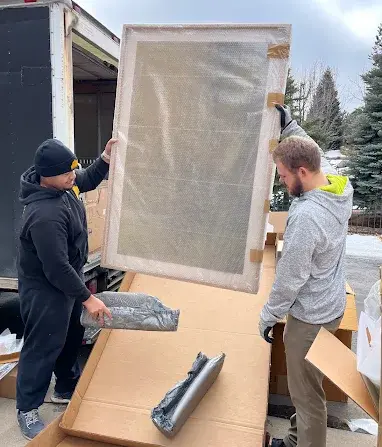
Why Art Requires a Different Approach
Artwork does not come in a standard shape or size.
A framed painting may be relatively easy to carry but still have fragile glass, a delicate frame, or a surface that should not be touched. A sculpture can be much more challenging because its weight may be unevenly distributed or its most delicate elements may extend outward.
Some pieces may also have special requirements based on the materials used.
Wood, metal, stone, glass, ceramic, mixed media, and other materials can each respond differently to handling and environmental conditions.
This means a delivery team should understand what it is moving before the first box is lifted.
Understanding the Artwork Before Pickup
Good handling starts before the artwork leaves its current location.
The delivery team should have accurate information about the piece, including its dimensions, weight, packaging, destination, and any known handling concerns.
For particularly large or fragile works, it is also helpful to understand the route the piece will take.
Will it need to pass through a narrow doorway?
Are there stairs?
Is an elevator available?
Will the piece need to be turned or tilted to enter the space?
Are there restrictions at the building?
These details may seem small, but they can have a major impact on how the delivery should be planned.
Protecting Frames and Finished Surfaces
The artwork itself is not always the only fragile part.
Frames can be highly detailed and easily scratched or dented. Decorative finishes may also be sensitive to contact with rough surfaces.
Protective materials should be selected based on the piece rather than using the same approach for every shipment.
The handling team should also know where an item can safely be touched.
A sculpture with a thin extension, for example, should not be carried by that extension simply because it is convenient. A framed artwork should not automatically be lifted from the top of the frame.
Proper handling means knowing where pressure can safely be applied and where it cannot.
Specialized Crating for Valuable Pieces
For certain artworks and sculptures, standard packaging may not provide enough protection.
A custom crate can provide a stronger barrier against impacts and movement during transportation. Interior supports can also help keep a piece stable while it is being moved.
The right crate design depends on the artwork.
A large framed painting may need protection around the frame and surface. A sculpture with delicate projections may require carefully shaped supports that keep vulnerable areas from bearing weight.
The goal is to create a secure environment without placing unnecessary pressure on the artwork.
Handling Large and Oversized Artwork
Size can create its own set of challenges.
A large painting may be too wide for a standard doorway. A tall sculpture may need additional clearance. An oversized piece may require several people to move it safely.
Before delivery, the team should evaluate the dimensions of both the artwork and the property.
This can help determine whether additional equipment or manpower is needed.
Planning ahead is especially important for high-value pieces. The delivery team should never have to improvise a solution after arriving at the property.
Moving Sculptures Safely
Sculptures often require more planning than framed artwork because their shapes can vary so widely.
A sculpture may have a heavy base and a lighter upper section. Another may have thin arms, legs, branches, or other elements that can be damaged if the piece is lifted incorrectly.
The safest handling method depends on the sculpture's design, construction, weight distribution, and materials.
Teams should avoid placing stress on fragile sections and should use appropriate lifting methods for the piece.
For larger sculptures, equipment may also be necessary to reduce the risk of drops, impacts, or uncontrolled movement.
Controlling Movement During Transportation
A piece of art can be damaged without ever being dropped.
Excessive movement, vibration, or shifting during transportation can create problems, particularly for delicate or fragile works.
Artwork should be secured properly inside the vehicle so it remains stable during transit.
The vehicle itself should also be appropriate for the type and size of cargo being transported.
Careful driving matters too. Sudden stops, sharp turns, and rough handling can place unnecessary stress on artwork.
Transportation should be treated as part of the handling process rather than as a separate concern.
Environmental Considerations
Some artwork can be sensitive to its surroundings.
Temperature, humidity, moisture, and prolonged exposure to certain conditions may affect particular materials.
Not every piece requires the same level of environmental control, but the delivery team should be aware of any special requirements before transportation begins.
For valuable or particularly sensitive works, it may be appropriate to discuss environmental conditions with the gallery, artist, conservator, or other knowledgeable professional.
This allows the logistics plan to account for the needs of the individual piece.
Installation Requires the Same Level of Care
Getting the artwork inside the building is only part of the job.
Installation can create another set of risks.
Large artwork may need careful positioning before it is secured. Heavy sculptures may require precise placement. Wall-mounted pieces may need appropriate hardware and a clear understanding of the wall structure.
The installation team should know the intended location and understand any special instructions before beginning.
For high-value pieces, rushing the final step can undo all the care taken during transportation.
Documentation Creates Accountability
Documentation can be especially valuable when handling art.
Photographs can record the condition of a piece before transport and after delivery. Notes can document existing imperfections, packaging condition, and any concerns identified during handling.
This creates a clearer record for everyone involved.
For designers and collectors, good documentation also makes communication easier when multiple parties are involved in a project.
When something needs attention, there is a record rather than a disagreement about what happened.
White Glove Art Delivery Is About More Than Transportation
Art deserves a delivery process built around its individual needs.
The right approach considers the artwork before pickup, protects it during handling, secures it during transportation, and gives the same level of attention to final placement.
For designers and art professionals, that level of care can provide something valuable beyond convenience.
It provides confidence that the piece entrusted to the logistics team is being treated with the respect it deserves.
Frequently Asked Questions
What makes art delivery different from standard furniture delivery?
Art can be more sensitive to impact, vibration, temperature, moisture, and improper handling. Its unusual dimensions and materials can also require specialized packing, transportation, and installation methods.
How should sculptures be handled during delivery?
Sculptures should be handled according to their shape, materials, weight distribution, and fragile areas. The team should identify safe lifting points and avoid putting pressure on delicate projections or unsupported sections.
Does valuable artwork need a custom crate?
Not every piece requires a custom crate, but certain valuable, fragile, oversized, or unusually shaped works may benefit from one. The appropriate packaging should be determined by the artwork's size, construction, materials, and transportation requirements.
Can white glove delivery include art installation?
Some white glove providers offer placement and installation services, while others focus primarily on transportation. The exact scope should be confirmed before the project begins, especially when artwork requires specialized mounting or equipment.
How can artwork be protected during transportation?
Artwork can be protected through appropriate packing, secure crating when needed, proper positioning, stable vehicle loading, and careful handling throughout transit. The specific protection should be based on the individual piece rather than using a one-size-fits-all method.


