How Warehousing Helps Designers Stay Organized
- Design Logistics Group

- Mar 26
- 3 min read

Interior design projects involve much more than choosing beautiful furniture and décor. Behind every finished space is a detailed process of ordering products, coordinating vendors, tracking shipments, and preparing for installation. Because items often come from multiple manufacturers and arrive at different times, staying organized can quickly become a challenge for designers managing several projects at once.
This is where professional warehousing becomes an essential part of the design process. A well-managed warehouse provides a central place to receive, store, and track furniture and décor before installation. By using warehousing services, designers can stay organized, protect valuable pieces, and ensure that every item is ready when installation day arrives.
A Central Location for All Deliveries
One of the biggest benefits of warehousing is having a single location where all furniture and décor can be delivered. In most design projects, items are ordered from several vendors, and shipments rarely arrive at the same time. Custom furniture, lighting fixtures, rugs, and accessories may all have different production and shipping timelines.
Without a proper receiving location, managing these deliveries can become difficult. Items might arrive early when the client’s space is not ready, or they may end up scattered across different storage areas. Warehousing solves this problem by allowing all deliveries to be received in one organized facility where everything can be tracked and stored safely.
Better Inventory Tracking for Design Projects
Interior design projects often involve dozens of items that must be carefully accounted for. From large furniture pieces to smaller decorative items, every product plays a role in the final design.
Professional warehouses typically use inventory systems that log and track every item that arrives. Each piece is inspected, documented, and stored in a designated area so it can be easily located later. This organized approach helps designers know exactly what has arrived for each project and prevents confusion when preparing for installation.
Protecting Furniture and Décor
Many of the items used in design projects are valuable, custom-made, or fragile. Proper storage is important to keep these pieces in excellent condition before they reach the client’s home or business.
Warehousing facilities designed for furniture storage provide secure environments where items are handled with care and protected from potential damage. Instead of being stored in temporary spaces or construction areas, furniture can remain safely stored until the project is ready for installation.
Making Installation Day More Efficient
Installation day is when months of planning and preparation finally come together. However, if furniture and décor arrive at different times or from different locations, installation can quickly become chaotic.
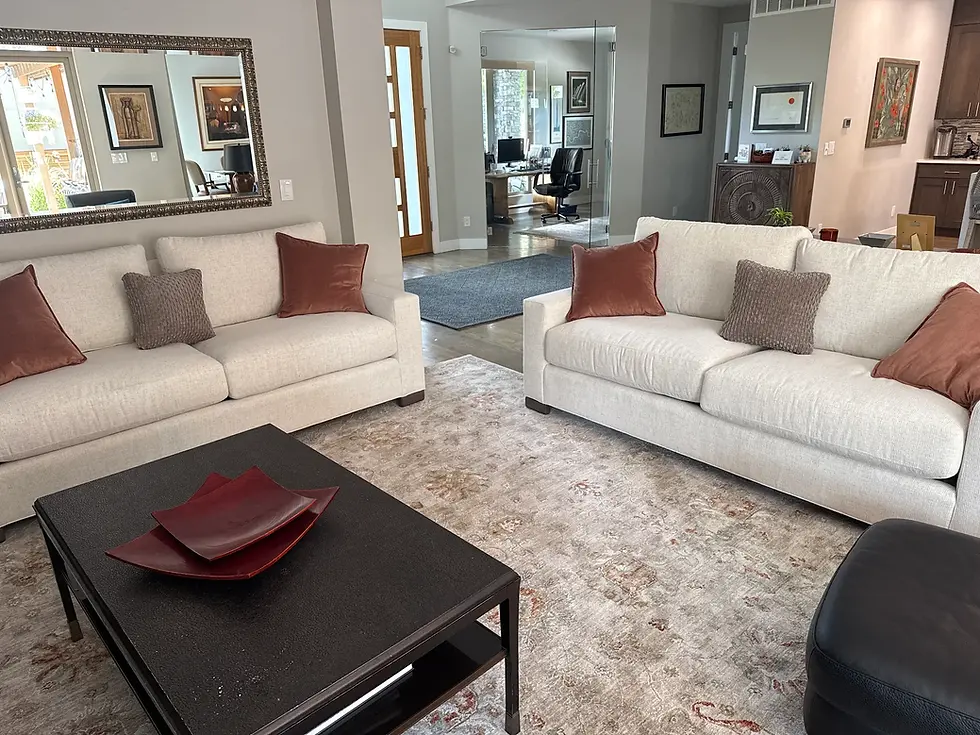
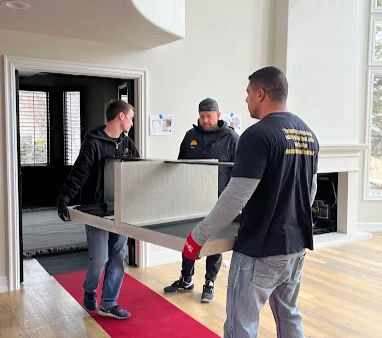
When items are stored in a warehouse, everything can be organized and prepared ahead of time. Furniture and accessories are staged, loaded in the correct order, and delivered together so the installation process runs smoothly. This coordinated approach saves time and allows designers to focus on styling the space rather than managing deliveries.
Many designers rely on services like climate controlled storage in Denver with inventory management to keep their furniture protected, organized, and ready for installation. These services help maintain the condition of valuable pieces while also giving designers clear visibility of their project inventory.
Helping Designers Focus on Creativity
Designers already manage many responsibilities, including client communication, project planning, and vendor coordination. When logistics and storage are handled by a professional warehouse team, designers can spend less time worrying about deliveries and more time focusing on the creative side of their work.
Having a reliable warehousing partner creates a smoother workflow for design projects. It ensures that furniture and décor are stored safely, tracked properly, and delivered at the right time.
Final Thoughts
Warehousing plays an important role in helping interior designers stay organized throughout their projects. By providing a central location for deliveries, secure storage for valuable furniture, and clear inventory management, warehousing simplifies the logistics side of interior design.
With the right storage and inventory system in place, designers can manage projects more efficiently and deliver beautiful, well-coordinated spaces for their clients.